

about
Hiya!
I am Mia Enriquez Ortiz, an illustrator and graphic designer currently pursuing a BFA in Graphic Design. With over nine years of digital creation and four years of professional freelancing experience, I have developed a keen eye for detail and a passion for bringing ideas to life.Throughout my career, I have completed over 100 commissions, ranging from personal to commercial projects, and take pride in creating and adapting designs to meet my clients' unique needs. My extensive experience in digital media allows me to adeptly produce illustrations, graphics, and related media tailored to your business or personal requirements.I look forward to contributing my creative skills and expertise to new and exciting projects.
Featured

A Look into ARJ’s Media Specialist Laurie Grove | Profile Story

Perks of being a Wallflower | Poster Redesign

Paw Bean | Social Media Concept

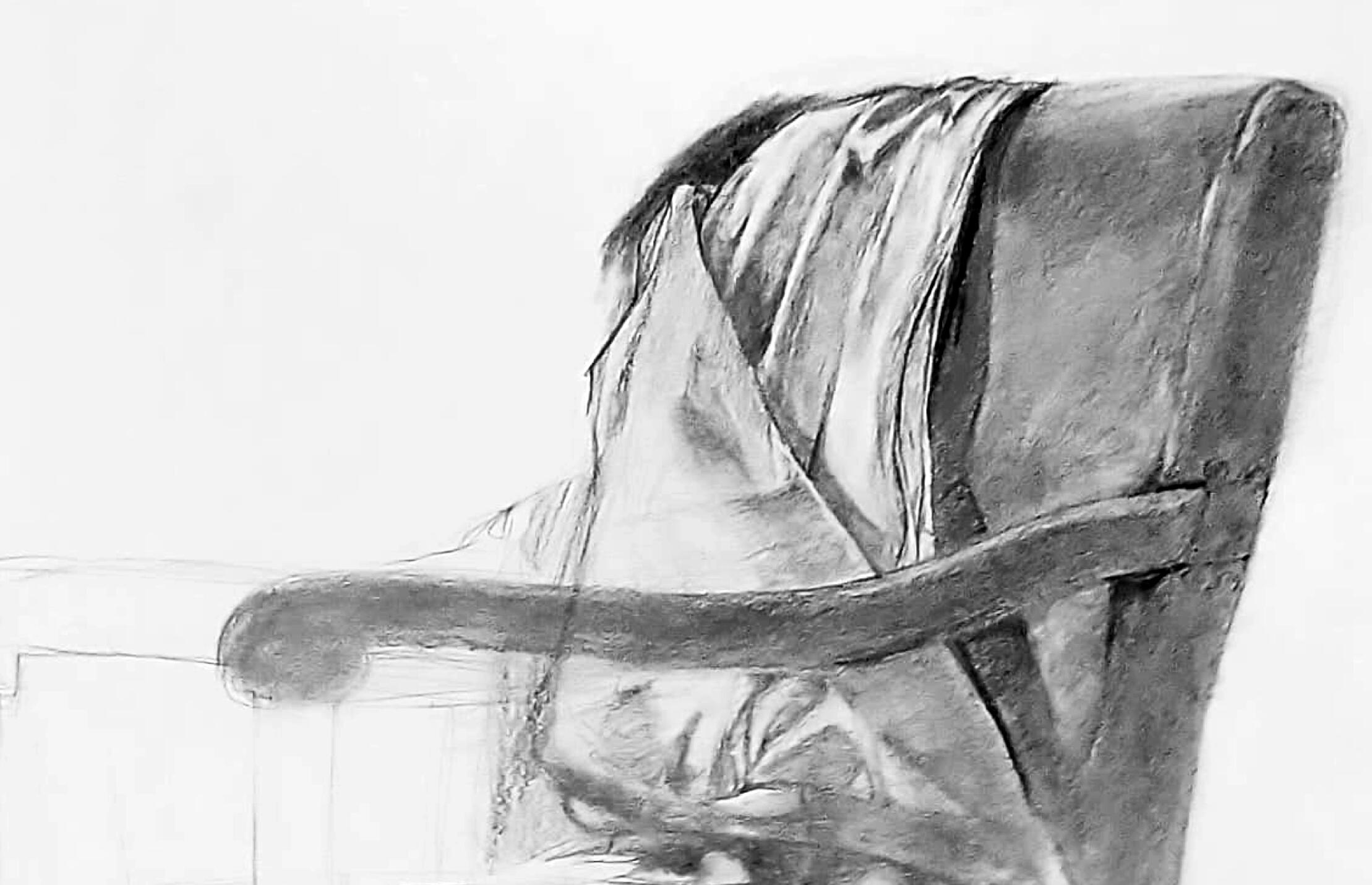
Photo Study 2023 | Illustration





Traditional

Illustration



Illustrations
![Photo Study [Personal Work] 2022](data:image/svg+xml;base64,PHN2ZyB4bWxucz0iaHR0cDovL3d3dy53My5vcmcvMjAwMC9zdmciIHg9IjAiIHk9IjAiIHZpZXdCb3g9IjAgMCAxMzg2IDE5ODQiIHdpZHRoPSIxMzg2IiBoZWlnaHQ9IjE5ODQiIHByZXNlcnZlQXNwZWN0UmF0aW89Im5vbmUiPjxyZWN0IGZpbGw9IiM5YzhlOGYiIHdpZHRoPSIxMDAlIiBoZWlnaHQ9IjEwMCUiLz48L3N2Zz4%3D)
Photo Study [Personal Work] 2022
![Photo Study [Personal Work] 2023](data:image/svg+xml;base64,PHN2ZyB4bWxucz0iaHR0cDovL3d3dy53My5vcmcvMjAwMC9zdmciIHg9IjAiIHk9IjAiIHZpZXdCb3g9IjAgMCAxMjc3IDE5ODQiIHdpZHRoPSIxMjc3IiBoZWlnaHQ9IjE5ODQiIHByZXNlcnZlQXNwZWN0UmF0aW89Im5vbmUiPjxyZWN0IGZpbGw9IiM3MjYzNWMiIHdpZHRoPSIxMDAlIiBoZWlnaHQ9IjEwMCUiLz48L3N2Zz4%3D)
Photo Study [Personal Work] 2023
![Photo Study [Personal Work] 2021](data:image/svg+xml;base64,PHN2ZyB4bWxucz0iaHR0cDovL3d3dy53My5vcmcvMjAwMC9zdmciIHg9IjAiIHk9IjAiIHZpZXdCb3g9IjAgMCAxNDM0IDE4MDgiIHdpZHRoPSIxNDM0IiBoZWlnaHQ9IjE4MDgiIHByZXNlcnZlQXNwZWN0UmF0aW89Im5vbmUiPjxyZWN0IGZpbGw9IiM4OTcyNmIiIHdpZHRoPSIxMDAlIiBoZWlnaHQ9IjEwMCUiLz48L3N2Zz4%3D)
Photo Study [Personal Work] 2021
![Photo Study [Personal Work] 2021](data:image/svg+xml;base64,PHN2ZyB4bWxucz0iaHR0cDovL3d3dy53My5vcmcvMjAwMC9zdmciIHg9IjAiIHk9IjAiIHZpZXdCb3g9IjAgMCAxMzI1IDEzODUiIHdpZHRoPSIxMzI1IiBoZWlnaHQ9IjEzODUiIHByZXNlcnZlQXNwZWN0UmF0aW89Im5vbmUiPjxyZWN0IGZpbGw9IiM5MTc3NzQiIHdpZHRoPSIxMDAlIiBoZWlnaHQ9IjEwMCUiLz48L3N2Zz4%3D)
Photo Study [Personal Work] 2021
![Indignace [Personal Work] 2023](data:image/svg+xml;base64,PHN2ZyB4bWxucz0iaHR0cDovL3d3dy53My5vcmcvMjAwMC9zdmciIHg9IjAiIHk9IjAiIHZpZXdCb3g9IjAgMCAyNTYwIDE2NzQiIHdpZHRoPSIyNTYwIiBoZWlnaHQ9IjE2NzQiIHByZXNlcnZlQXNwZWN0UmF0aW89Im5vbmUiPjxyZWN0IGZpbGw9IiNhMjZkN2IiIHdpZHRoPSIxMDAlIiBoZWlnaHQ9IjEwMCUiLz48L3N2Zz4%3D)
Indignace [Personal Work] 2023
![Sticker Concept [Personal proj.] 2021](data:image/svg+xml;base64,PHN2ZyB4bWxucz0iaHR0cDovL3d3dy53My5vcmcvMjAwMC9zdmciIHg9IjAiIHk9IjAiIHZpZXdCb3g9IjAgMCAxOTg0IDE5ODQiIHdpZHRoPSIxOTg0IiBoZWlnaHQ9IjE5ODQiIHByZXNlcnZlQXNwZWN0UmF0aW89Im5vbmUiPjxyZWN0IGZpbGw9IiNhNzU1NmIiIHdpZHRoPSIxMDAlIiBoZWlnaHQ9IjEwMCUiLz48L3N2Zz4%3D)
Sticker Concept [Personal proj.] 2021
![Exquisite Corpse [College proj.] 2023](data:image/svg+xml;base64,PHN2ZyB4bWxucz0iaHR0cDovL3d3dy53My5vcmcvMjAwMC9zdmciIHg9IjAiIHk9IjAiIHZpZXdCb3g9IjAgMCAxNzAwIDExMDAiIHdpZHRoPSIxNzAwIiBoZWlnaHQ9IjExMDAiIHByZXNlcnZlQXNwZWN0UmF0aW89Im5vbmUiPjxyZWN0IGZpbGw9IiNkZjllYmUiIHdpZHRoPSIxMDAlIiBoZWlnaHQ9IjEwMCUiLz48L3N2Zz4%3D)
Exquisite Corpse [College proj.] 2023
![Isometric Room [College proj.] 2023](data:image/svg+xml;base64,PHN2ZyB4bWxucz0iaHR0cDovL3d3dy53My5vcmcvMjAwMC9zdmciIHg9IjAiIHk9IjAiIHZpZXdCb3g9IjAgMCAyNTYwIDE2NTYiIHdpZHRoPSIyNTYwIiBoZWlnaHQ9IjE2NTYiIHByZXNlcnZlQXNwZWN0UmF0aW89Im5vbmUiPjxyZWN0IGZpbGw9IiNhMWEzYTIiIHdpZHRoPSIxMDAlIiBoZWlnaHQ9IjEwMCUiLz48L3N2Zz4%3D)
Isometric Room [College proj.] 2023
![Mimi [Commission Work] 2022](data:image/svg+xml;base64,PHN2ZyB4bWxucz0iaHR0cDovL3d3dy53My5vcmcvMjAwMC9zdmciIHg9IjAiIHk9IjAiIHZpZXdCb3g9IjAgMCAxNDg2IDE5ODQiIHdpZHRoPSIxNDg2IiBoZWlnaHQ9IjE5ODQiIHByZXNlcnZlQXNwZWN0UmF0aW89Im5vbmUiPjxyZWN0IGZpbGw9IiNkNWM1ZTQiIHdpZHRoPSIxMDAlIiBoZWlnaHQ9IjEwMCUiLz48L3N2Zz4%3D)
Mimi [Commission Work] 2022
![pink.web [Personal Work] 2022](data:image/svg+xml;base64,PHN2ZyB4bWxucz0iaHR0cDovL3d3dy53My5vcmcvMjAwMC9zdmciIHg9IjAiIHk9IjAiIHZpZXdCb3g9IjAgMCAxNDQwIDgxMCIgd2lkdGg9IjE0NDAiIGhlaWdodD0iODEwIiBwcmVzZXJ2ZUFzcGVjdFJhdGlvPSJub25lIj48cmVjdCBmaWxsPSIjZDJhYmJhIiB3aWR0aD0iMTAwJSIgaGVpZ2h0PSIxMDAlIi8%2BPC9zdmc%2B)
pink.web [Personal Work] 2022
![Photo Study [Personal Work] 2022](assets/images/gallery03/cc0b8e38_original.jpg?v=99b00fbb)
![Photo Study [Personal Work] 2023](assets/images/gallery03/968a9b5f_original.jpg?v=99b00fbb)
![Photo Study [Personal Work] 2021](assets/images/gallery03/d3ae8ca7_original.jpg?v=99b00fbb)
![Photo Study [Personal Work] 2021](assets/images/gallery03/72e402d7_original.jpg?v=99b00fbb)
![Indignace [Personal Work] 2023](assets/images/gallery03/0b2c1d73_original.jpg?v=99b00fbb)
![Sticker Concept [Personal proj.] 2021](assets/images/gallery03/f6644d11_original.jpg?v=99b00fbb)
![Exquisite Corpse [College proj.] 2023](assets/images/gallery03/f534650e_original.jpg?v=99b00fbb)
![Isometric Room [College proj.] 2023](assets/images/gallery03/1c943b4e_original.jpg?v=99b00fbb)
![Mimi [Commission Work] 2022](assets/images/gallery03/70c56831_original.jpg?v=99b00fbb)
![pink.web [Personal Work] 2022](assets/images/gallery03/c37d3081_original.jpg?v=99b00fbb)


Type


![Value Study [College Work] 2024](assets/images/gallery01/c564a838_original.jpg?v=99b00fbb)
![Contour Drawing [College Work] 2024](assets/images/gallery01/02325336_original.jpg?v=99b00fbb)
![Gesture Drawing [College Work] 2024](assets/images/gallery01/fecce542_original.jpg?v=99b00fbb)
![Still Life [College Work] 2024](assets/images/gallery01/8214b461_original.jpg?v=99b00fbb)
![Lino Cut Print [College Proj.] 2024](assets/images/gallery01/9304dce4_original.jpg?v=99b00fbb)


Merchandise Design
![Chocolate Bar design [College proj.] 2024](data:image/svg+xml;base64,PHN2ZyB4bWxucz0iaHR0cDovL3d3dy53My5vcmcvMjAwMC9zdmciIHg9IjAiIHk9IjAiIHZpZXdCb3g9IjAgMCAxNjAwIDE0MTciIHdpZHRoPSIxNjAwIiBoZWlnaHQ9IjE0MTciIHByZXNlcnZlQXNwZWN0UmF0aW89Im5vbmUiPjxyZWN0IGZpbGw9IiNhYzlmOWMiIHdpZHRoPSIxMDAlIiBoZWlnaHQ9IjEwMCUiLz48L3N2Zz4%3D)
Chocolate Bar design [College proj.] 2024
![Book Redesign [College proj.] 2024](data:image/svg+xml;base64,PHN2ZyB4bWxucz0iaHR0cDovL3d3dy53My5vcmcvMjAwMC9zdmciIHg9IjAiIHk9IjAiIHZpZXdCb3g9IjAgMCAyMjI3IDE0MTciIHdpZHRoPSIyMjI3IiBoZWlnaHQ9IjE0MTciIHByZXNlcnZlQXNwZWN0UmF0aW89Im5vbmUiPjxyZWN0IGZpbGw9IiNjNmJhYmUiIHdpZHRoPSIxMDAlIiBoZWlnaHQ9IjEwMCUiLz48L3N2Zz4%3D)
Book Redesign [College proj.] 2024
![ARJ School Yearbook [School proj.] 2023](data:image/svg+xml;base64,PHN2ZyB4bWxucz0iaHR0cDovL3d3dy53My5vcmcvMjAwMC9zdmciIHg9IjAiIHk9IjAiIHZpZXdCb3g9IjAgMCAxMzY3IDE0MTciIHdpZHRoPSIxMzY3IiBoZWlnaHQ9IjE0MTciIHByZXNlcnZlQXNwZWN0UmF0aW89Im5vbmUiPjxyZWN0IGZpbGw9IiM0NDNjNGYiIHdpZHRoPSIxMDAlIiBoZWlnaHQ9IjEwMCUiLz48L3N2Zz4%3D)
ARJ School Yearbook [School proj.] 2023
![ARJ School Merchandise [Fundraiser] 2023](data:image/svg+xml;base64,PHN2ZyB4bWxucz0iaHR0cDovL3d3dy53My5vcmcvMjAwMC9zdmciIHg9IjAiIHk9IjAiIHZpZXdCb3g9IjAgMCAxNDE3IDE0MTciIHdpZHRoPSIxNDE3IiBoZWlnaHQ9IjE0MTciIHByZXNlcnZlQXNwZWN0UmF0aW89Im5vbmUiPjxyZWN0IGZpbGw9IiM4Mzc3OGIiIHdpZHRoPSIxMDAlIiBoZWlnaHQ9IjEwMCUiLz48L3N2Zz4%3D)
ARJ School Merchandise [Fundraiser] 2023
![ARJ School Merchandise [Fundraiser] 2023](data:image/svg+xml;base64,PHN2ZyB4bWxucz0iaHR0cDovL3d3dy53My5vcmcvMjAwMC9zdmciIHg9IjAiIHk9IjAiIHZpZXdCb3g9IjAgMCAxNDE4IDE0MTciIHdpZHRoPSIxNDE4IiBoZWlnaHQ9IjE0MTciIHByZXNlcnZlQXNwZWN0UmF0aW89Im5vbmUiPjxyZWN0IGZpbGw9IiM4ZDgwOTQiIHdpZHRoPSIxMDAlIiBoZWlnaHQ9IjEwMCUiLz48L3N2Zz4%3D)
ARJ School Merchandise [Fundraiser] 2023
![Chocolate Bar design [College proj.] 2024](assets/images/gallery02/4fbc0ded_original.jpg?v=99b00fbb)
![Book Redesign [College proj.] 2024](assets/images/gallery02/6ad1c41b_original.jpg?v=99b00fbb)
![ARJ School Yearbook [School proj.] 2023](assets/images/gallery02/b3a9b0cb_original.jpg?v=99b00fbb)
![ARJ School Merchandise [Fundraiser] 2023](assets/images/gallery02/d3750026_original.jpg?v=99b00fbb)
![ARJ School Merchandise [Fundraiser] 2023](assets/images/gallery02/9b47196a_original.jpg?v=99b00fbb)
Type
![Paw Bean [College Proj.] 2024](data:image/svg+xml;base64,PHN2ZyB4bWxucz0iaHR0cDovL3d3dy53My5vcmcvMjAwMC9zdmciIHg9IjAiIHk9IjAiIHZpZXdCb3g9IjAgMCA3OTEgNjExIiB3aWR0aD0iNzkxIiBoZWlnaHQ9IjYxMSIgcHJlc2VydmVBc3BlY3RSYXRpbz0ibm9uZSI%2BPHJlY3QgZmlsbD0iI2YwZWNlOSIgd2lkdGg9IjEwMCUiIGhlaWdodD0iMTAwJSIvPjwvc3ZnPg%3D%3D)
Paw Bean [College Proj.] 2024
![Elastic [College Proj.] 2023](data:image/svg+xml;base64,PHN2ZyB4bWxucz0iaHR0cDovL3d3dy53My5vcmcvMjAwMC9zdmciIHg9IjAiIHk9IjAiIHZpZXdCb3g9IjAgMCAxOTg0IDE5ODQiIHdpZHRoPSIxOTg0IiBoZWlnaHQ9IjE5ODQiIHByZXNlcnZlQXNwZWN0UmF0aW89Im5vbmUiPjxyZWN0IGZpbGw9IiNlMmUyZTIiIHdpZHRoPSIxMDAlIiBoZWlnaHQ9IjEwMCUiLz48L3N2Zz4%3D)
Elastic [College Proj.] 2023
![Book Smart [college proj.] 2024](data:image/svg+xml;base64,PHN2ZyB4bWxucz0iaHR0cDovL3d3dy53My5vcmcvMjAwMC9zdmciIHg9IjAiIHk9IjAiIHZpZXdCb3g9IjAgMCAyNTYwIDE0MTMiIHdpZHRoPSIyNTYwIiBoZWlnaHQ9IjE0MTMiIHByZXNlcnZlQXNwZWN0UmF0aW89Im5vbmUiPjxyZWN0IGZpbGw9IiNmN2Y3ZjciIHdpZHRoPSIxMDAlIiBoZWlnaHQ9IjEwMCUiLz48L3N2Zz4%3D)
Book Smart [college proj.] 2024
![Paw Bean [College Proj.] 2024](assets/images/gallery06/ef7db54e_original.jpg?v=99b00fbb)
![Elastic [College Proj.] 2023](assets/images/gallery06/b3c3f381_original.jpg?v=99b00fbb)
![Book Smart [college proj.] 2024](assets/images/gallery06/2b07ced3_original.jpg?v=99b00fbb)
Posters
![Movie Poster Redesign [College proj.] 2024](data:image/svg+xml;base64,PHN2ZyB4bWxucz0iaHR0cDovL3d3dy53My5vcmcvMjAwMC9zdmciIHg9IjAiIHk9IjAiIHZpZXdCb3g9IjAgMCAxMDI4IDE1OTAiIHdpZHRoPSIxMDI4IiBoZWlnaHQ9IjE1OTAiIHByZXNlcnZlQXNwZWN0UmF0aW89Im5vbmUiPjxyZWN0IGZpbGw9IiMyYzMzMmMiIHdpZHRoPSIxMDAlIiBoZWlnaHQ9IjEwMCUiLz48L3N2Zz4%3D)
Movie Poster Redesign [College proj.] 2024
![SLE Stall Walls [Augusta University] 2024](data:image/svg+xml;base64,PHN2ZyB4bWxucz0iaHR0cDovL3d3dy53My5vcmcvMjAwMC9zdmciIHg9IjAiIHk9IjAiIHZpZXdCb3g9IjAgMCAxMDI3IDE1OTAiIHdpZHRoPSIxMDI3IiBoZWlnaHQ9IjE1OTAiIHByZXNlcnZlQXNwZWN0UmF0aW89Im5vbmUiPjxyZWN0IGZpbGw9IiNlNWNhZDQiIHdpZHRoPSIxMDAlIiBoZWlnaHQ9IjEwMCUiLz48L3N2Zz4%3D)
SLE Stall Walls [Augusta University] 2024
![SLE Stall Walls [Augusta University] 2024](data:image/svg+xml;base64,PHN2ZyB4bWxucz0iaHR0cDovL3d3dy53My5vcmcvMjAwMC9zdmciIHg9IjAiIHk9IjAiIHZpZXdCb3g9IjAgMCAxMDI4IDE1OTAiIHdpZHRoPSIxMDI4IiBoZWlnaHQ9IjE1OTAiIHByZXNlcnZlQXNwZWN0UmF0aW89Im5vbmUiPjxyZWN0IGZpbGw9IiM5NTlhYWUiIHdpZHRoPSIxMDAlIiBoZWlnaHQ9IjEwMCUiLz48L3N2Zz4%3D)
SLE Stall Walls [Augusta University] 2024
![SLE Stall Wall [Augusta University] 2024](data:image/svg+xml;base64,PHN2ZyB4bWxucz0iaHR0cDovL3d3dy53My5vcmcvMjAwMC9zdmciIHg9IjAiIHk9IjAiIHZpZXdCb3g9IjAgMCAxMDI4IDE1OTAiIHdpZHRoPSIxMDI4IiBoZWlnaHQ9IjE1OTAiIHByZXNlcnZlQXNwZWN0UmF0aW89Im5vbmUiPjxyZWN0IGZpbGw9IiNjMGJmYmQiIHdpZHRoPSIxMDAlIiBoZWlnaHQ9IjEwMCUiLz48L3N2Zz4%3D)
SLE Stall Wall [Augusta University] 2024
![Movie Poster Redesign [College proj.] 2024](assets/images/gallery05/9b3afb3b_original.jpg?v=99b00fbb)
![SLE Stall Walls [Augusta University] 2024](assets/images/gallery05/5c3c75f9_original.jpg?v=99b00fbb)
![SLE Stall Walls [Augusta University] 2024](assets/images/gallery05/b6c4f634_original.jpg?v=99b00fbb)
![SLE Stall Wall [Augusta University] 2024](assets/images/gallery05/182ec835_original.jpg?v=99b00fbb)
Social Media Posts
![SLE Stall Wall [Augusta University] 2024](assets/images/gallery14/0bfb8497_original.jpg?v=99b00fbb)










Click any Image for Slideshow View




Tackling Criticism Head-on | Essay
Gain insight into the world of criticism by understanding the intricacies of navigating the world of opinions. This piece delves into a breakdown of the critique process, what is and is not good criticism, and finally tips on giving and receiving criticism in the framework of collaborative workspaces such as the classroom or workplace.
A Look into ARJ’s Media Specialist Laurie Grove | Profile Story
Delve into the world of Laurie Grove, A. R. Johnson’s most achieved Media Specialist who recently, through her achievements, received a $20,000 grant to renovate Johnson’s library. Grove’s success is detailed here, illustrating her backstory, her key values as a librarian, and exclusive advice for incoming educators.
Tackling Criticism Head-on | Essay
Everyone’s experienced it before, the tough talk, the one where a teacher tells you that your essay needs a lot of work, or that you turn in an assignment and the professor puts a big paragraph of red writing right at the bottom detailing every single mistake you’ve made. It’s a scary experience, to have you, or your work, criticized, especially if that work is important to you. Criticism is the backbone of academic, artistic, and personal growth. Whether you like it or not, you’ll need to experience it for the rest of your life and therefore will need to know what good criticism is, how to take it, and how to give it.Which begs the question, what does good criticism even look like? We can’t ignore its less-than-stellar reputation due to most of us meeting that one person who has given “deconstructive criticism”. In Martins’ article, “How to give (and take) constructive criticism” she describes that deconstructive critiques are personal attacks meant to harm someone’s self-esteem and can be needlessly nitpicky. When faced with feedback made to hurt a person, it can leave them adverse from wanting any criticism, but it's important to note not all criticism is personal. Good criticism is criticism that aims to expand the perspective of the criticized person. For example, when our Grammarly extension gives us generated sentences that sound leagues better than what we could write, do we get offended by it? That’s what makes constructive critiques great in that they are similar to Grammarly as the advice provided through others' insight isn’t personal or invasive, if anything it brings a fresh set of eyes, considerate eyes, onto a piece of work that can be improved on.Well, that's nice and all... but how do you get over it? You know that feeling of anger, frustration, maybe even anxiety or fear that you get when people talk about your work? I’ve myself had many of these encounters, especially with my creative work. For years I wouldn’t ask for any criticism because, well, it took me hours, days even, and for someone else to judge that amount of work is scary! So, how do you take it? For starters, be prepared, and find the things that might set you off, or heighten your anxiety when expecting feedback. As Dami Lee elaborates in her video “How to deal with criticism (LIKE A PRO)” there are certain triggers that might make someone defensive towards criticism, a common scenario most people encounter when evaluating their own decisions perceive the process as due to circumstance, whilst when we evaluate other people, we tend to see their decision making not by circumstance but rather their character. For example, let's say you painted a room pink, most people would assume that you painted the room pink because you liked the color, but it could be that you picked the color because of external factors, your little sister wanted the room pink not you. Whatever it may be, the decisions we make aren’t always perceived with the same lens as we experience them. Instead of jumping at the first excuse you can make, think about it from the other person’s perspective before becoming defensive. Often, I see people who think that a teacher or mentor wants things a specific way because of the slightest criticism, but oftentimes the expectations set aren’t to belittle you but to keep you to a higher expectation that you wouldn’t achieve on your own otherwise. Instead of settling for what you can already do, criticism is there to push you to do things you usually wouldn’t be able to do. Think with a growth mindset and think charitably, when someone gives you their opinions, think as neutrally as possible, most people aren’t out to get you they are there to help you!This leads us to the last step of the way, how do you give good criticism? If you are anything like me, you are probably afraid of hurting someone else’s feelings. In art critiques sometimes I’m quiet because of the anxiety I get from imagining the words I might say inadvertently hurting someone’s feelings. To those who can’t muster up the courage through the anxiety, if you are already acutely aware of what you shouldn’t do then you probably won’t do it and therefore go for it! On the other hand, there are probably some of you with loose mouths that say the first thing you notice. I’ve also been there, like the 9-year-old kid who sees a lady with pink hair and goes she looks like a CUPCAKE! And the embarrassed mom that drags you away to give you a stern talking. Whatever type you are, the best way to approach giving criticism is by being thoughtful. Look at the piece of work and look at it for what it is, not what it isn’t. Your personal desires and tastes, although maybe your first reaction to any piece of work, aren’t important. What’s important is your ability to articulate your point of view in a manner that will help the one being critiqued. So don’t forget to be compassionate, according to the article “'How can I say this politely?': Remodeling peer critiquing in design education and revealing compassionate critiques.” The article says the following, “When we come to compassionate critiques, they inherently require an effort to share the same affective state. Herewith, students develop an orientation towards empathy by gaining qualities of valuing ideas, being non-judgmental and appreciative. In other words, compassionate critiques can possibly pave a way to constitute and develop empathy as a practice and a skill.” Compassion and Empathy go a long way when giving good critiques, so always see critiques as a way to grow these skills.Nonetheless, whatever scenario you might meet, criticism is inevitable, so it’s good to know all about it and do it right. To the future bosses, directors, leaders, friends, families, and partners. This is for you so that you can give and receive good critiques so that you can succeed in either your personal or professional endeavors.
Tackling Criticism Head-on | Essay
Works CitedLee, Dami. “How to Deal with Criticism (like a PRO).” Www.youtube.com, 18 Aug. 2018, www.youtube.com/watch?v=gl6Mgpx6HV4. Accessed 16 Feb. 2024.Martins, Julia. “How to Give and Take Constructive Criticism • Asana.” Asana, 2 Dec. 2022, asana.com/resources/constructive-criticism. Accessed 16 Feb. 2024.Raffnsøe, Sverre, et al. “ ‘Affirmative Critique.’ Ephemera: Theory & Politics in Organization.” EBSCOhost, 2022, pp. 183–217, search.ebscohost.com/login.aspx?direct=true&AuthType=ip,shib&db=ufh&AN=173887857&site=eds-live&scope=site&custid=ns235419. Accessed 16 Feb. 2024.Sara Urist Green. “How to Critique | the Art Assignment | PBS Digital Studios.” YouTube, YouTube Video, 9 Oct. 2014, www.youtube.com/watch?v=9neybpOvjaQ. Accessed 16 Feb. 2024.
Yilmaz, Onur, and Koray Gelmez. “‘How Can I Say This Politely?’: Remodelling Peer Critiquing in Design Education and Revealing Compassionate Critiques.” Art, Design & Communication in Higher Education, vol. 22, no. 2, Oct. 2023, pp. 277–96, https://doi.org/10.1386/adch000691. Accessed 16 Feb. 2024.
A Look into ARJ’s Media Specialist Laurie Grove
Mrs. Grove has been A.R Johnson’s Media Specialist for over 7 years and has been a part of almost every event or project at A.R Johnson. She has worked as an educator for more than a decade and has had her fair share of experiences when it comes to her career. She was named a STAR teacher in 2019, has been featured in multiple news articles, and has an amazing repertoire with students she works with daily. In her interview, she gives insight into her process, what she thinks about educators, and how her life has made her the award-winning media specialist she is.Speaking of her insight, one of the main goals of Mrs. Grove is for her library to be accessible to all students. In a recent update mentioned in WJBF A.R Johnson was granted $20,000 to reinvent the Media Center into more of a Learning Commons that incentivizes students to collaborate and have a fun learning environment. Her plans include creating the most accessible learning space possible, according to her values as an educator. This value fights against the common librarian protocol of gatekeeping library items in fear of them being destroyed or stolen. In Grove’s library, she trusts students to keep materials circulating and not punish kids for enjoying the library, a little too much at times which makes her distinct from other local Librarians.
Further commenting, she wants to support and incorporate the digitization of library materials continuing her value of accessibility making it so that even if physical books may not be as common anymore, she still understands the importance of needing digital materials. In one case where she could not order 116 books in time for a fellow educator, she solved this problem by finding an online copy that students could access on their computers so that they could achieve educational success within the classroom.Grove exemplifies support by being a key educator who helps other educators focus on teaching while she prepares materials and coordinates events, to the point her job is always evolving with her duties sometimes extending outside the conventional idea of being a Media Specialist. She coordinates events, creates posters, supervises the student council, and even handmakes buttons for the school shop. Grove does it all to support the school where other educators cannot. With this role, she has created a dynamic job that she loves. As in the interview, she touches on how before her position at A.R Johnson the stagnation of her earlier roles would cap her job title’s lifetime to three years due to the repetitive routine that burns out educators like Grove. She finds the dynamism of being a Media Specialist her bread and butter and in her words the best job, “because of the chaos”.Another point is that her job, unlike other jobs, gives her a unique insight into youth culture, and keeping up with current trends, social climates, and other things that another job would not have as she constantly works with new generations of kids all the time. This aspect of her job lets her maintain her personable demeanor and makes her a comfortable educator to be around where students are open and expressive about their interests to her which she as an educator in turn can nurture so that students can be properly accounted for and praised for. As in her own experience, instructors ignored her because she was neither a terrible nor an outstanding student and was often forgotten. Experiencing this, Grove ensures that no matter the level of success of each student who walks into her library, she makes sure to listen. The visibility of students is key to Grove as an educator, and she often asks students for their opinions to gain insight into students' educational experiences.Back to Grove’s thoughts on educators, how to manage being one, and her process. Grove believes that other educators going through turbulent times should ground themselves in their original purpose. For Grove, her biggest motivator is the validation she gets from students when they confide in her and see her with respect, that she can see the change she has on students and her impact. Another piece of advice she gives is to “tough it out.” Some years will be worse than others, but next year may be the change needed to have the best class with the best students to make up for the tougher years before and after.
Grove is an educator through and through and has a lot of qualities many can learn from. Though she may seem disorganized and has some chaotic tendencies when it comes to it, at A.R Johnson she is the rock that A.R.J. Staff needs and is the educator that many students feel seen by. She exemplifies the characteristics of an engaged and willing educator whose life shaped her into who she is today, and her achievements and longevity prove it.
Tackling Criticism Head-on | Essay
Attributes
Interview questions and related materials created by Mia Enriquez
Interview answers by Laurie Grove
portfolio
Illustrator, designer, content creator